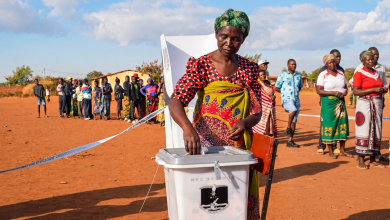
The Greenbelt Authority (GBA) says farmers must shift towards irrigation to unlock financing from banks as lenders are now cautious with rainfed agriculture due to climate change-related production challenges.
GBA chief executive officer Amon Mluwira stressed this at the closure of the 2026 Agrifinance Conference in Lilongwe on Wednesday where most stakeholders highlighted the need for banks to increase credit to agriculture sector.
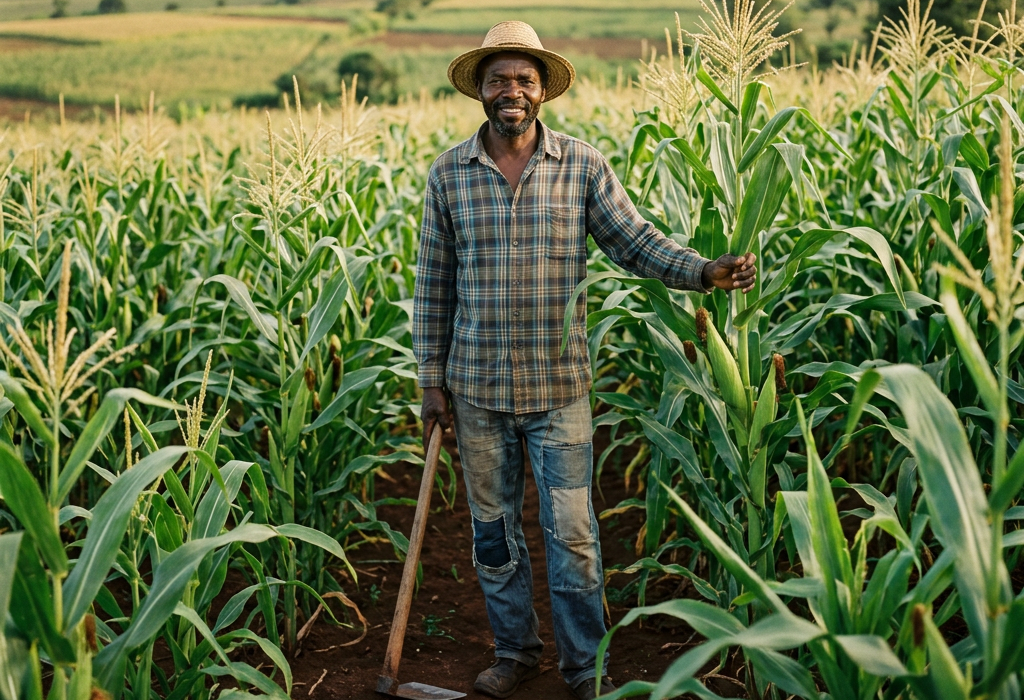
Mluwira said apart from market issues facing farmers, which result in high post harvest losses of their produce, financing is a challenge because banks view rain-fed agriculture as high risk due to climate change effects.
Said Mluwira: “They also want to manage their risk. What we are saying is that we should embrace irrigation. If we invest in irrigation, it gives confidence to investors. The banks will be much more willing to provide financing when they are sure that farmers can produce.”
Commenting on issues of agricultural marketing, Mluwira said according to GBA experience as an off-taker of some cooperatives, most farmers realise huge post-harvest losses because they wait for a long time before finding buyers.
This, according to him, reduces proceeds from their enterprises a situation which also affects them when it comes to settle the loans they obtained from their respective lenders.
“As a result, you find that their livelihoods do not improve, and there is no growth in the country because farmers are not reaping the fruits of their investment,” Mluwira said.
In her remarks, Farmers Union of Malawi president Maness Nkhata said stringent collateral requirements also keep small-scale farmers from accessing loans, branding the conference as critical for bringing important stakeholders.
“Most of the challenges we face are about how to access financing. Most of the things they demand from farmers are things that farmers do not have,” she said.
Bankers Association of Malawi chief executive Lyness Nkungula while articulating existing challenges experienced with Agrifinance, said banks have become more open to financing agriculture comparing with the past decade.
She said: “The only concern we have is that smallholder farmers don’t keep records.
“Banking works with records, so we need to educate them more to keep records so that they can access the loans that are there.”
Nkungula said the banking sector’s mandate now goes beyond merely expanding access to finance, adding that it is challenged to reimagine how financial resources are structured, deployed and aligned with the country’s long-term development goals outlined in Malawi 2063 which seeks to turn Malawi into a lower middle-income economy by 2030 and an upper middle income economy by 2063.
During the opening, Minister of Industrialisation, Business, Trade and Tourism Simon Itaye asked commercial banks to increase lending to the agriculture sector, saying that more credit is needed to help small and medium‑scale farmers grow into larger enterprises.
In 2024, banks extended K44 billion in credit to the agriculture sector, a 14 percent increase from the previous year, which BAM attributed to cooperatives, which are helping to de‑risk agri‑financing.
Agriculture remains the main driver of the Malawi’s economy, with more than 80 percent of foreign exchange derived from the sector, according to National Statistical Office data.